PRODUCT ENGINEER,DESIGN-MINDED BUILDER,EXPLORING AI-NATIVE EXPERIENCES.
Four years of production experience — and a year spent learning everything shipping code can't teach you. Now focused on product engineering and building AI-native products from idea to reality.
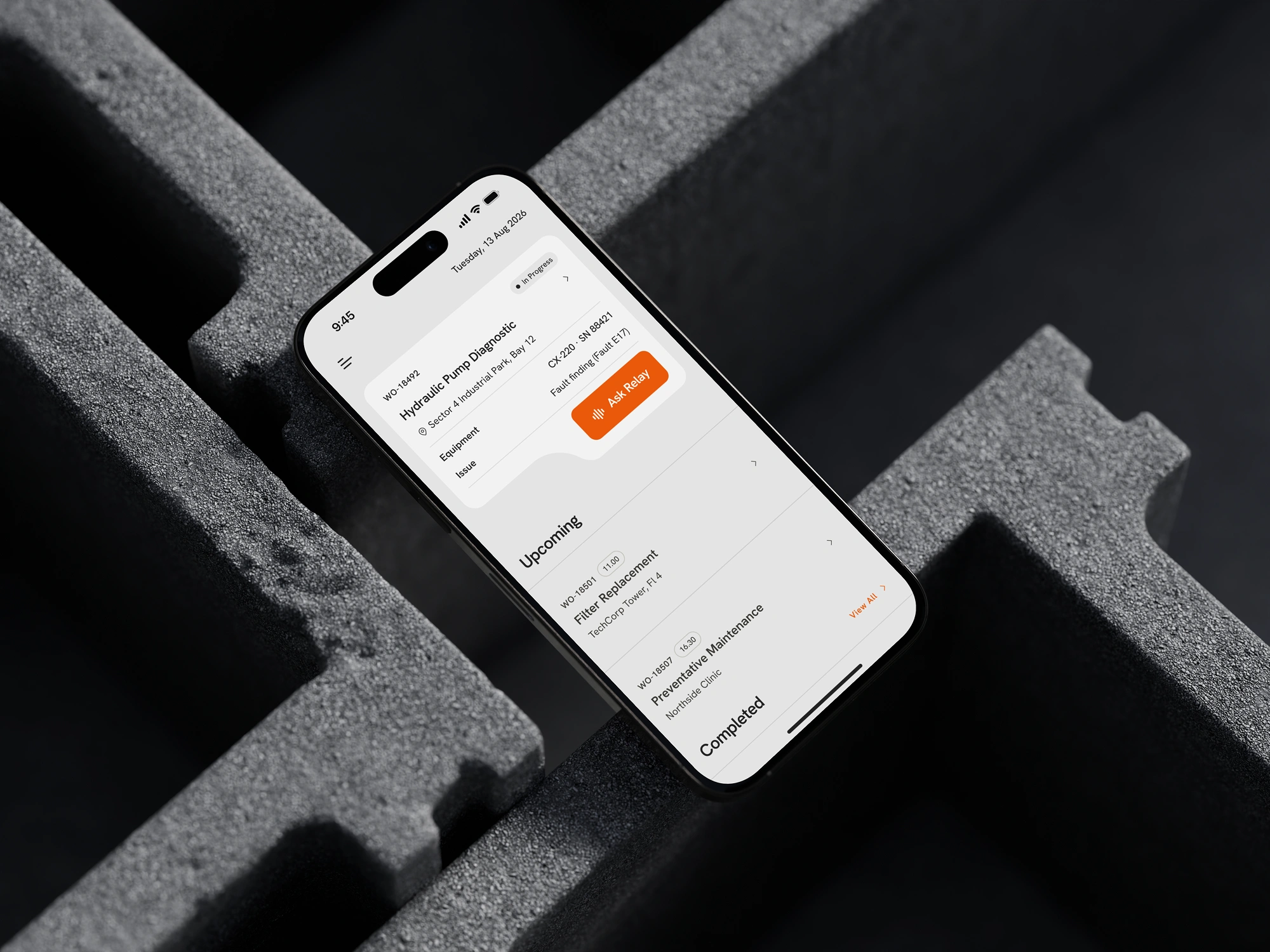
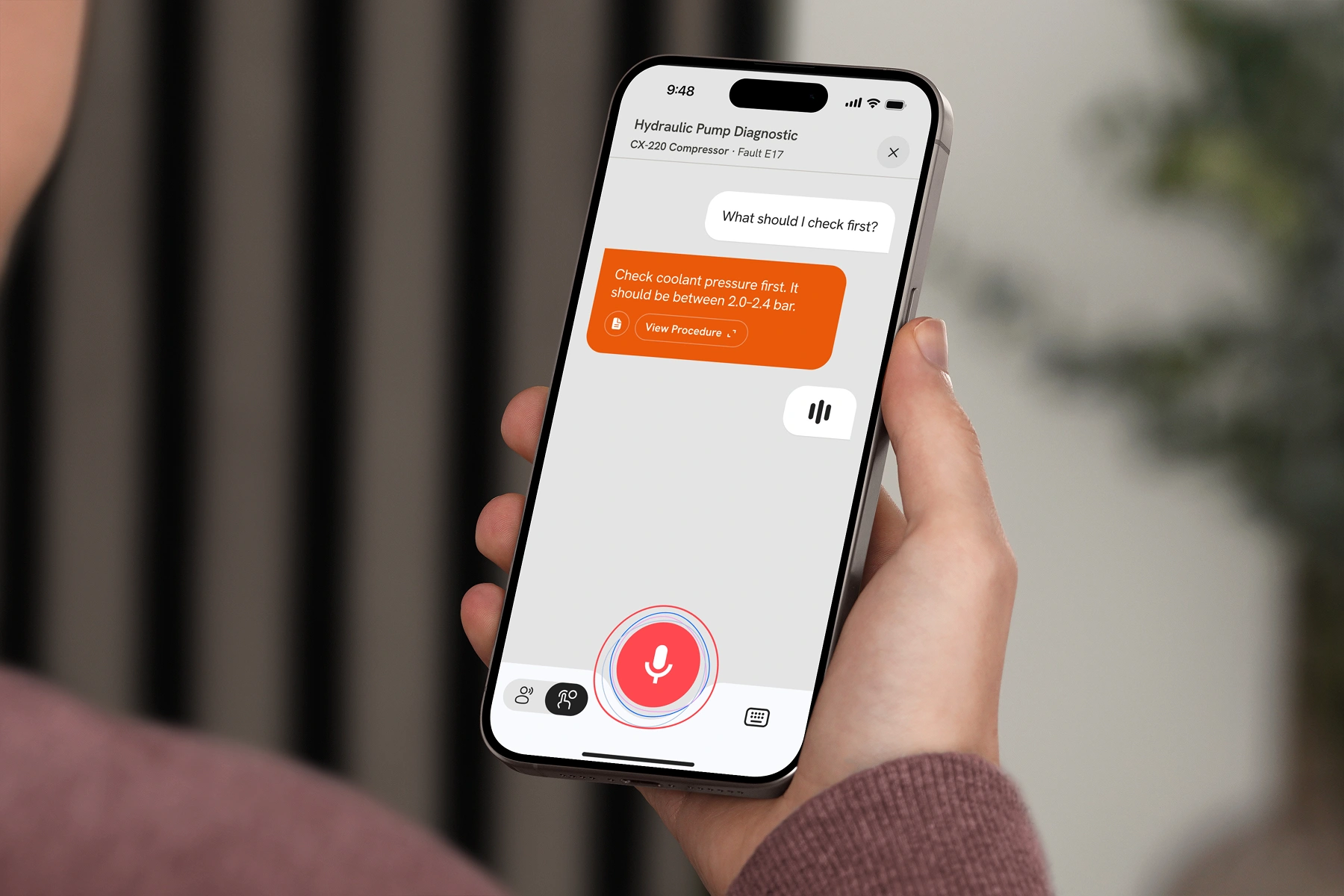
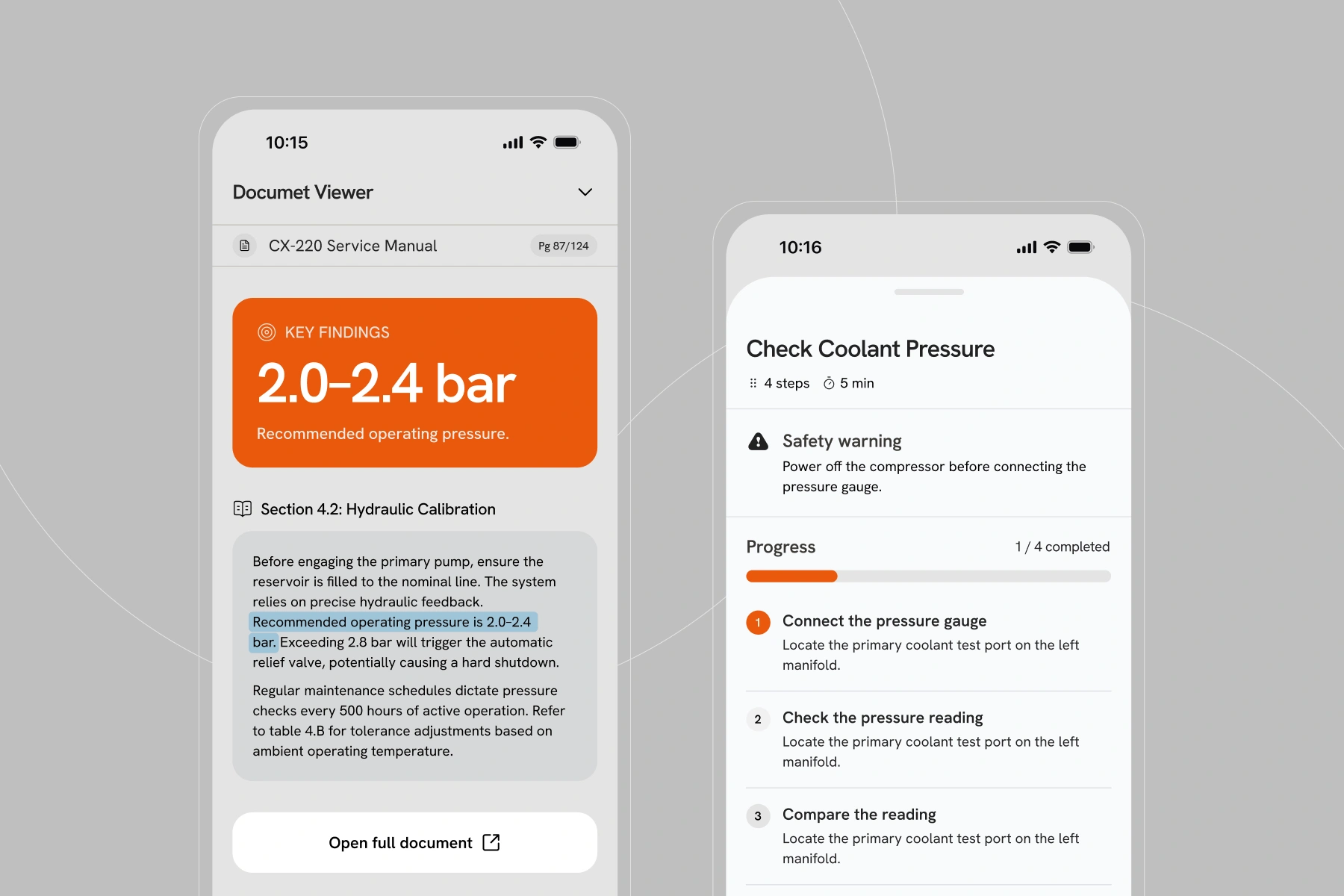
Relay
An AI field-knowledge assistant that gives technicians permission-aware, cited answers grounded in company documentation — scoped to the work order they're actually on. Designed and engineered end-to-end: from Flutter push-to-talk voice interactions to Postgres vector retrieval and durable ingestion pipelines.
Lume
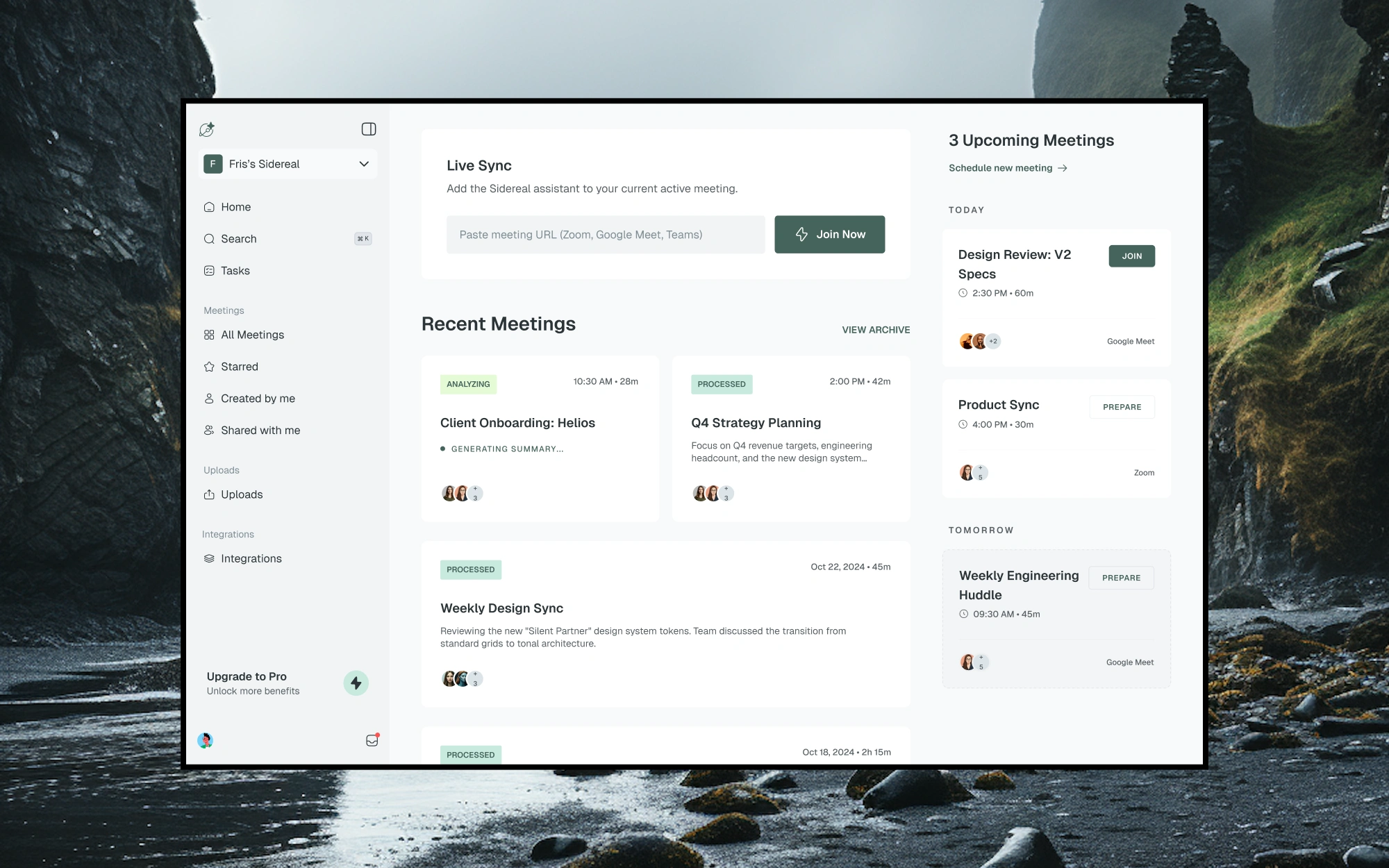
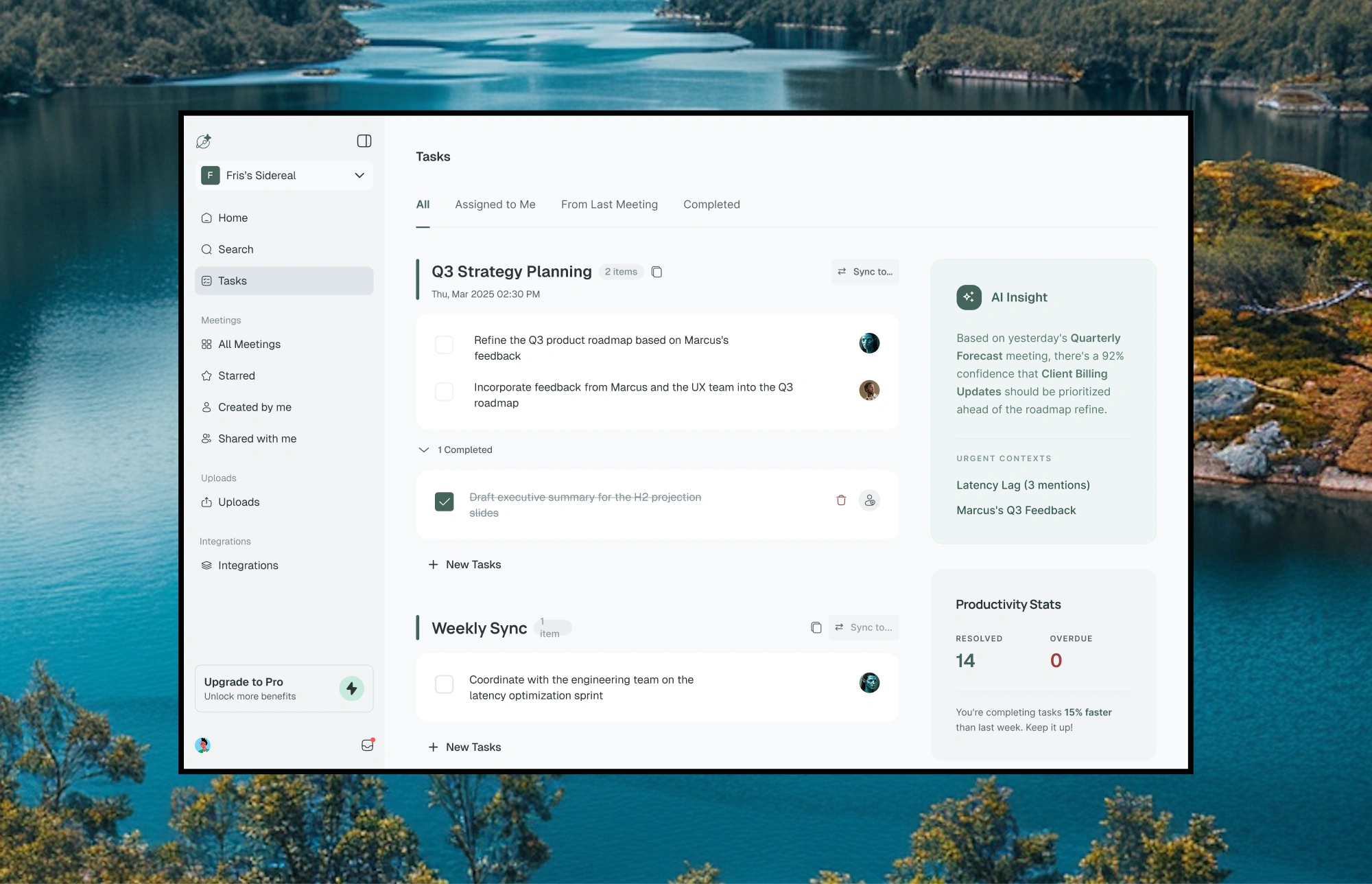
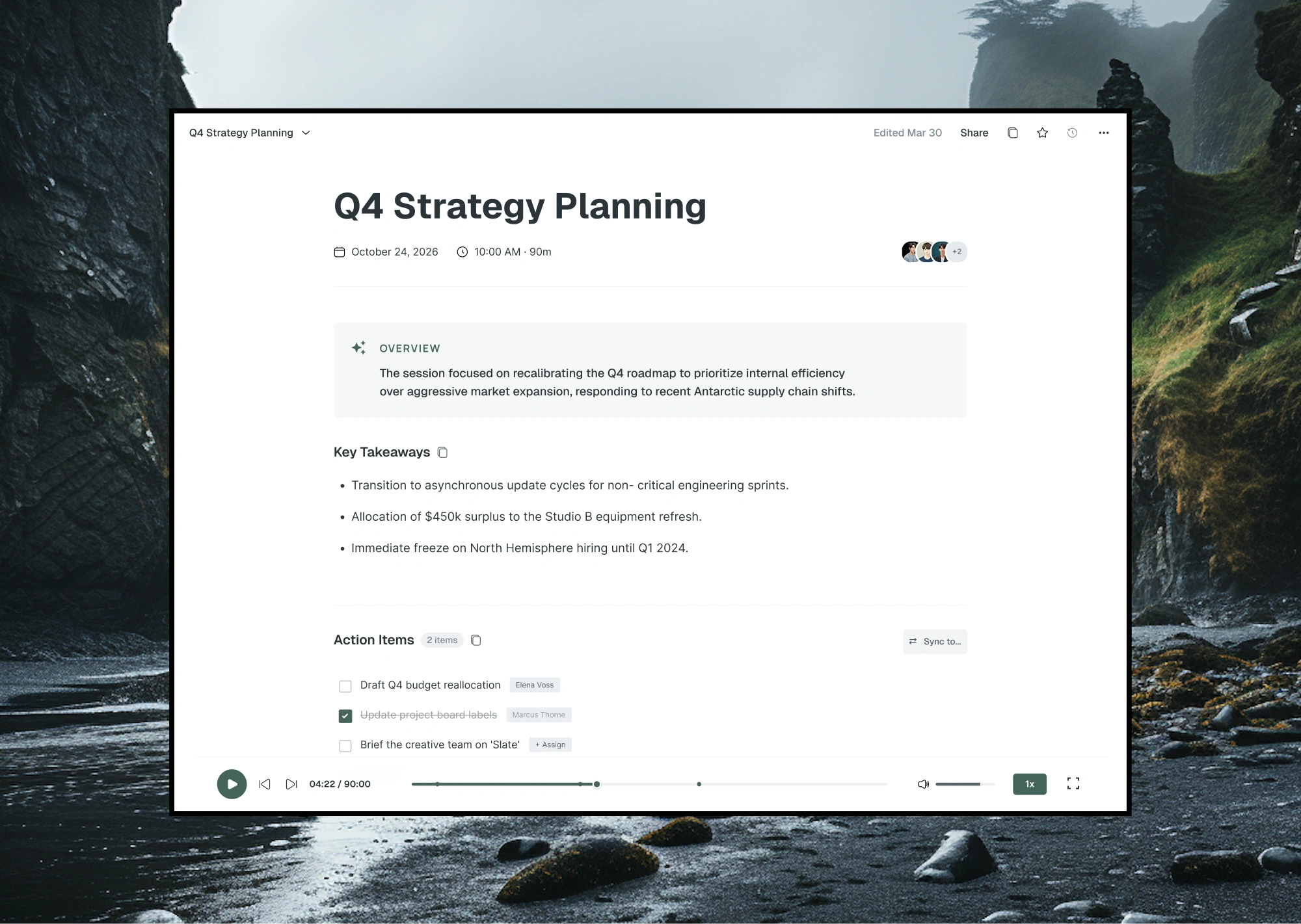
I designed and built an AI meeting intelligence system focused on reducing information loss in collaborative teams. The project explored how transcription pipelines, semantic retrieval, and AI summarization could transform conversations into searchable organizational context rather than disposable meeting notes.
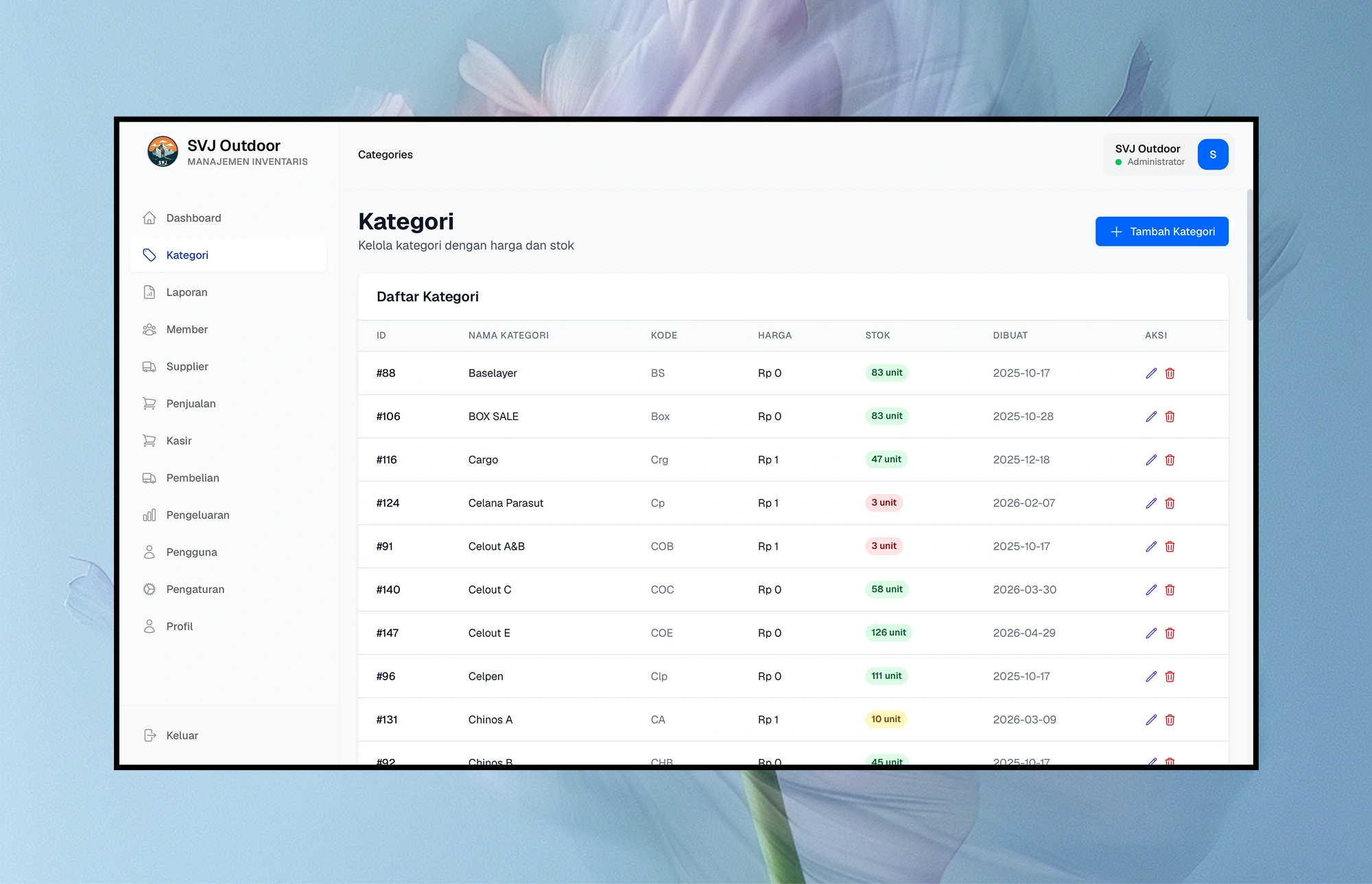
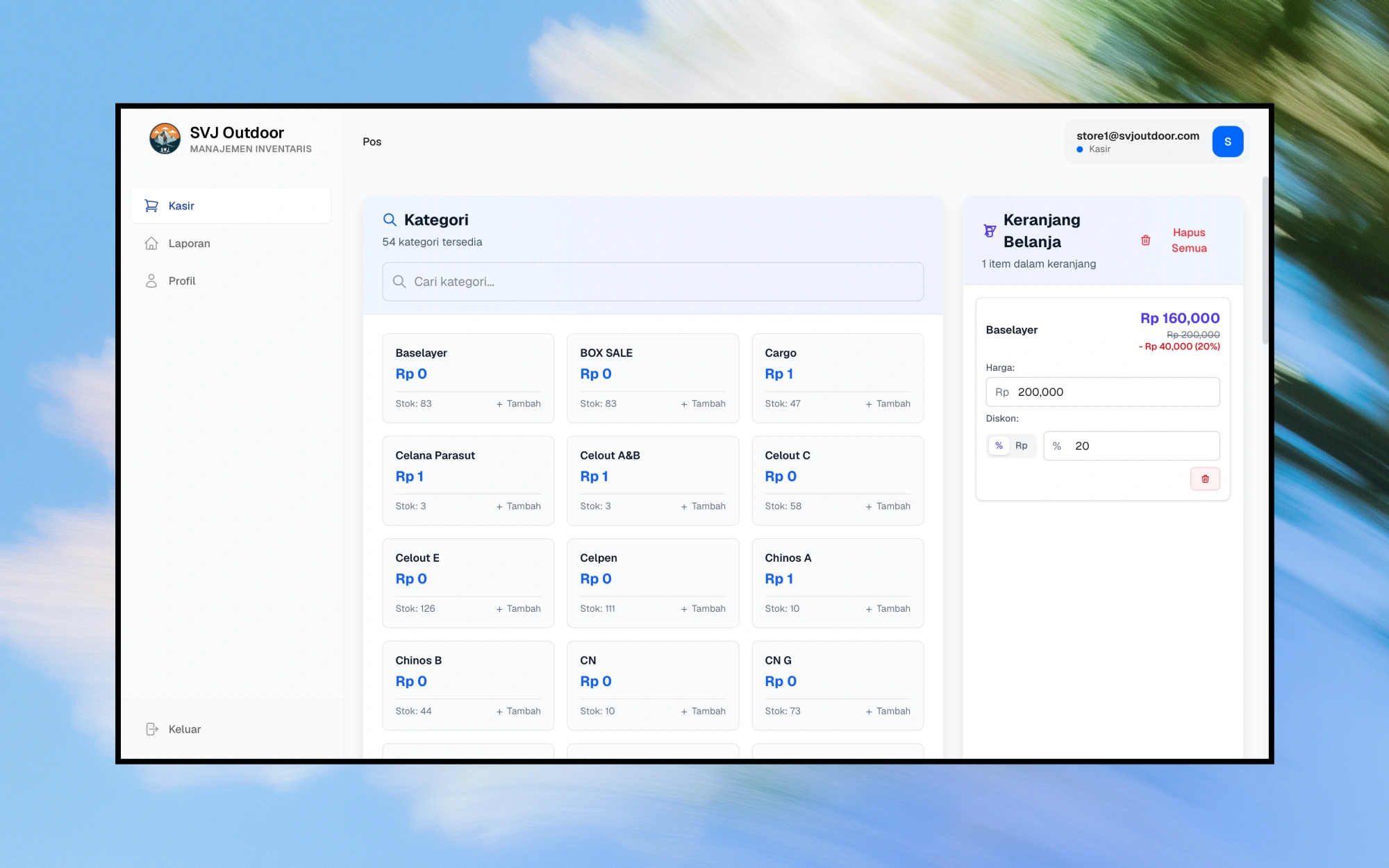
SVJ Outdoor
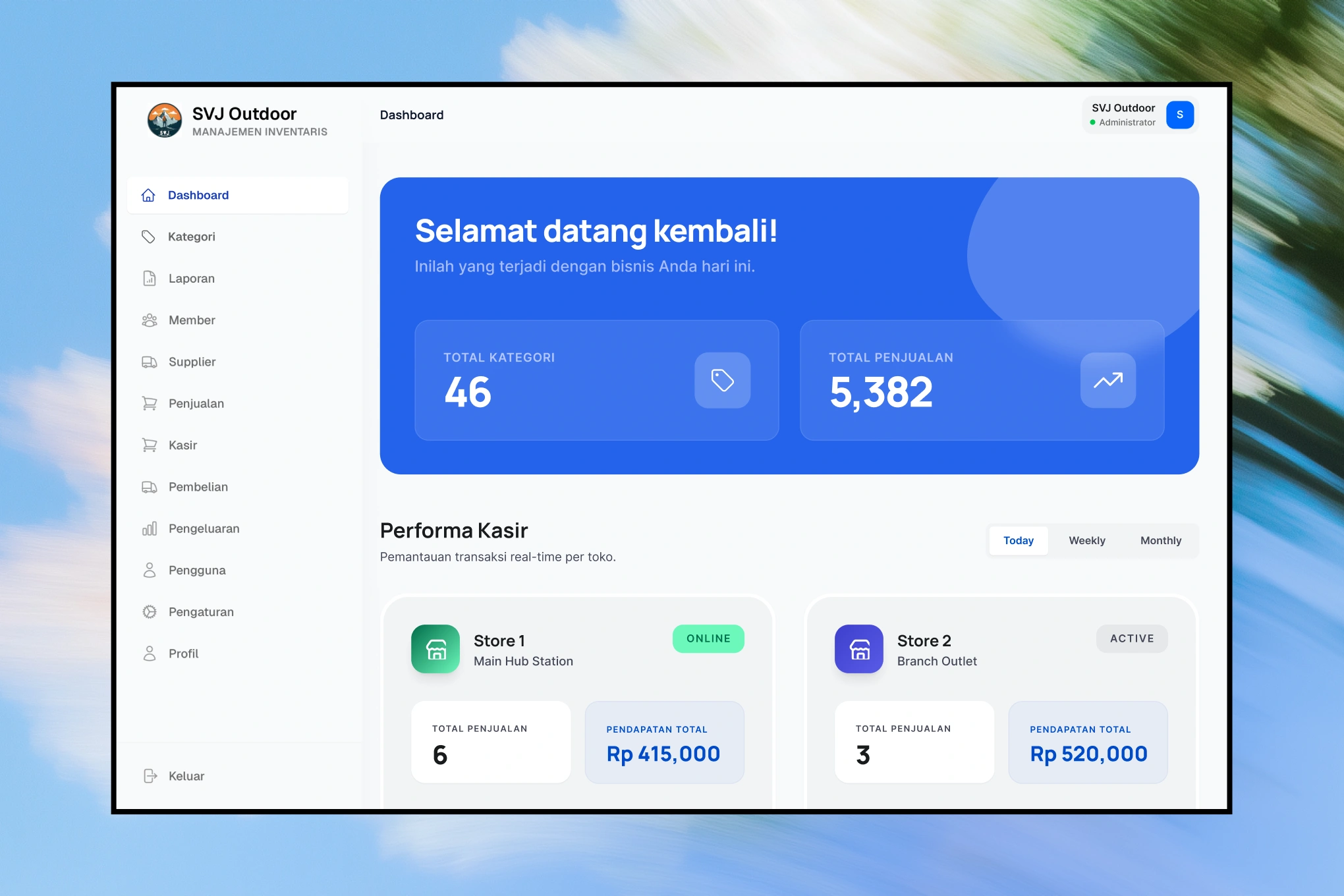
Working closely with a local outdoor retail business, I adapted and operationalized a POS system around their existing workflows — from inventory management to transaction reporting. The system is now actively used in daily operations, helping reduce manual overhead and improving operational visibility across the business.
Work beyond the flagship projects
Smaller explorations across AI systems, interaction design, motion, and product thinking — often built to investigate ideas, workflows, or emerging technologies.
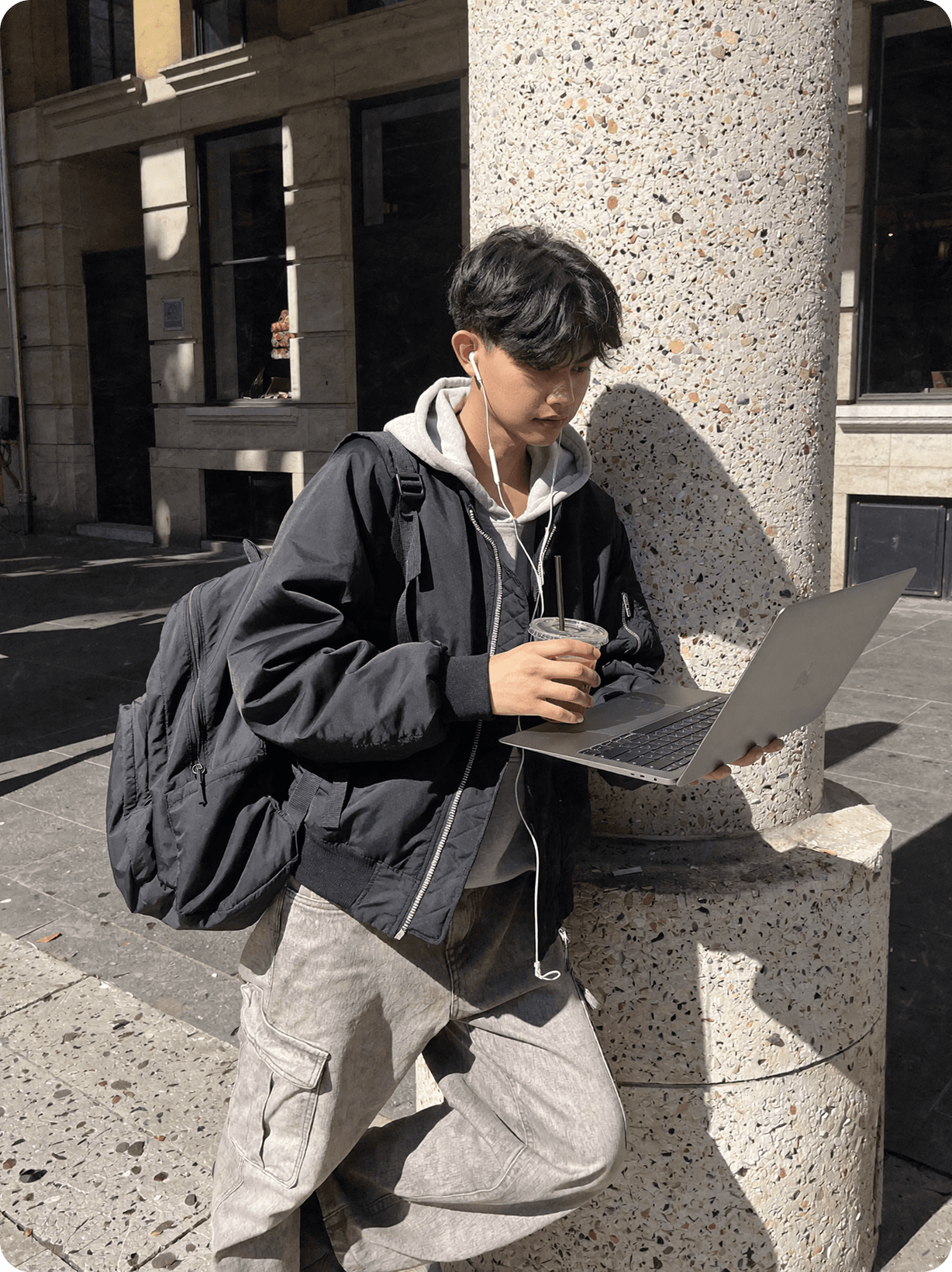
Engineer. Designer. Builder.
For the first four years of my career, I focused mostly on shipping software — primarily mobile applications in production environments. Later, I stepped away from full-time engineering for a while to explore the broader layers around product building: UX design, motion, business, branding, and AI systems. That period ended up reshaping how I think about technology entirely. What interests me now isn't just building functional products, but understanding how systems, interfaces, and human behavior influence each other — particularly as AI becomes part of everyday interaction. Lately I've been exploring that through conversational interfaces, operational tools, and AI-native experiences across web and mobile.
The Arc
The foundation
2018 — 2022Studied Informatics Engineering while starting to take on real development work. Built the habit of shipping things — not perfectly, but actually. Learned that software is a craft that improves through contact with real problems, not theory.
Four years in production
2021 — 2024Worked as a mobile engineer across two companies, shipping across fintech, civic tech, IoT, enterprise monitoring, and government infrastructure. Eight products shipped professionally. Learned what production software actually requires: client alignment, maintenance realities, the gap between what you build and what people experience. Grew into a UI design role alongside the engineering work.
Filling the gaps deliberately
2024 — 2025I realized I could build things that worked, but I hadn't yet learned how to judge whether they were actually good. The gap wasn't technical — it was in understanding people, interaction, visual communication, and the realities of building something people would choose to use. So I deliberately stepped outside engineering: formal UX training, motion design for real clients, and running a market-facing business. Each discipline gave me a different way to think about the same problem: not just how to build something, but why it should exist and how it should work.
Where it all converges
2025 — NowThe pieces started connecting. Engineering gave me the ability to build, UX taught me to question what should be built, and working with real clients taught me to care about whether it actually mattered. Now I work across the whole product loop — shaping the problem, designing the experience, engineering the system, and getting it into people's hands. AI has made that loop faster, but the real advantage is knowing what deserves to be built in the first place.
Disciplines
Product Engineering
End-to-end ownership from architecture to deployment. Comfortable across web, mobile, and AI systems — not just implementing features, but deciding what is worth building and how the pieces should work together.
AI Systems
Building AI as part of real products: pipeline design, service orchestration, embeddings, transcription, summarization, and LLM-powered workflows. Focused on systems that have to work reliably beyond the demo.
UX Design
User research, usability thinking, interaction design, and accessibility. Enough fluency to make engineering decisions grounded in how people actually understand, navigate, and use a product.
Motion Design
SaaS explainers, brand animation, and visual storytelling. Trained the eye for temporal UX — how interfaces communicate through movement, not just how they look at rest.
Product Thinking
Market validation, business mechanics, and user psychology. Building and selling independently taught me to think beyond the feature — what people need, what they value, and what makes a product worth paying for.
"The obstacle is the way."
Outside of technology, I'm interested in Stoic philosophy, neuroscience, human behavior, and the science of learning. These aren't separate from how I work—they shape how I approach growth, problem-solving, and building. Stoicism teaches that obstacles are information, not setbacks. Neuroscience and learning research reinforce a similar idea: improvement is less about innate talent or motivation and more about deliberate practice, feedback, and consistency over time. That perspective influences how I build. I value systems over willpower, experimentation over certainty, and long-term compounding over short-term optimization. Progress comes from staying curious, embracing challenges, and treating every outcome as an opportunity to learn.
Systems over motivation
Sustainable progress comes from reliable systems, not bursts of inspiration. Design the environment and process before relying on discipline.
Growth through challenge
The fastest learning often happens just beyond the edge of current competence. Seek opportunities that stretch existing assumptions and skills.
Long-term compounding
Knowledge, skills, relationships, and experience compound over time. Consistent investment creates outcomes that rarely appear linear in the moment.
Learning by building
The best way to understand something is to create with it. Build, test, iterate, and let real-world feedback guide improvement.
Obstacles as feedback
When something resists a solution, there's usually something left to learn. Resistance is often a signal pointing toward deeper understanding.
Currently reading
Literal.club
Critical Thinking
Richard L. Epstein, Michael Rooney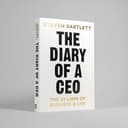
The Diary of a CEO
Steven BartlettCurrently listening
Spotify
October
Adrián Berenguer